
Coffee Service Packaging: Sustainable Solutions for 2026

Coffee service packaging is the system of materials and designs coffee businesses use to preserve freshness, protect quality, and communicate brand identity while meeting evolving sustainability standards. For Australian roasters and cafes, packaging is not a commodity decision. It is a quality and reputation decision made before a single bag reaches a customer. The right coffee packaging solutions protect your product from oxygen, moisture, and light while giving your brand a visible identity on the shelf or in a delivery box. Getting this right in 2026 means balancing high-barrier performance, eco-friendly materials, and customization that builds customer loyalty.
What are the main types of coffee service packaging?
The four primary material categories in coffee service packaging are Mylar bags, recyclable mono-material pouches, paper-based structures, and compostable films. Each carries a different trade-off between barrier performance, cost, and environmental impact.
Traditional flexible pouches using PET/PE laminates deliver excellent oxygen and moisture barrier performance. The trade-off is recyclability. Multilayer films cannot be separated at most Australian recycling facilities, which means they go to landfill. That is a growing liability as consumer expectations and Extended Producer Responsibility (EPR) regulations tighten.
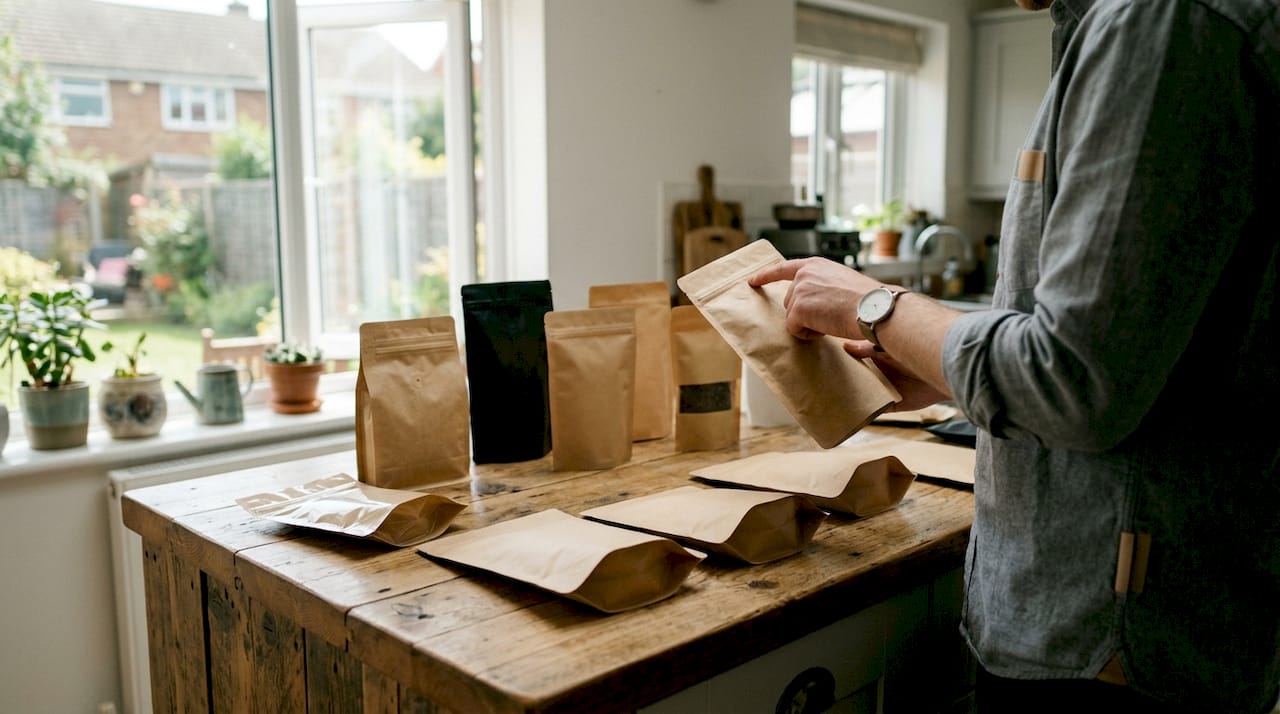
Recyclable mono-material pouches using PE/PE or PP/PP laminates solve the recyclability problem. They are increasingly available and approach the barrier performance of traditional laminates. For most retail coffee formats, the performance gap is now small enough that switching is a practical choice, not a compromise.
Compostable films and paper-based structures round out the field. Compostable options work well for single-serve formats and short shelf-life products. Paper-based structures suit whole-bean and ground coffee when paired with an inner barrier liner. Sustainable packaging options across all four categories now include high-barrier designs for oxygen and moisture protection, so barrier performance alone no longer justifies defaulting to traditional laminates.
| Material type | Barrier performance | Recyclability |
|---|---|---|
| PET/PE laminate (Mylar) | Excellent | Not recyclable |
| PE/PE mono-material | Good to very good | Recyclable (soft plastics) |
| PP/PP mono-material | Good to very good | Recyclable (soft plastics) |
| Paper-based with liner | Moderate to good | Partially recyclable |
| Compostable film | Moderate | Compostable (certified facilities) |
One technical feature cuts across all material types: the degassing valve. Degassing valves are a standard requirement for fresh-roasted whole-bean packaging. They allow CO2 released after roasting to escape without letting oxygen in. Without a valve, fresh-roasted coffee inflates its bag and risks seal failure. With one, you protect freshness throughout the product’s shelf life.
Pro Tip: Choose your material based on your product’s shelf life and your supply chain. Short shelf-life or single-serve formats suit compostable films. Retail bags with a 6–12 month shelf life need a high-barrier mono-material or laminate with a degassing valve.
How can you customize packaging to strengthen your brand?
Customization is where packaging shifts from a functional container to a brand asset. Two printing methods dominate the coffee packaging industry: digital printing and rotogravure. Each suits a different business stage.
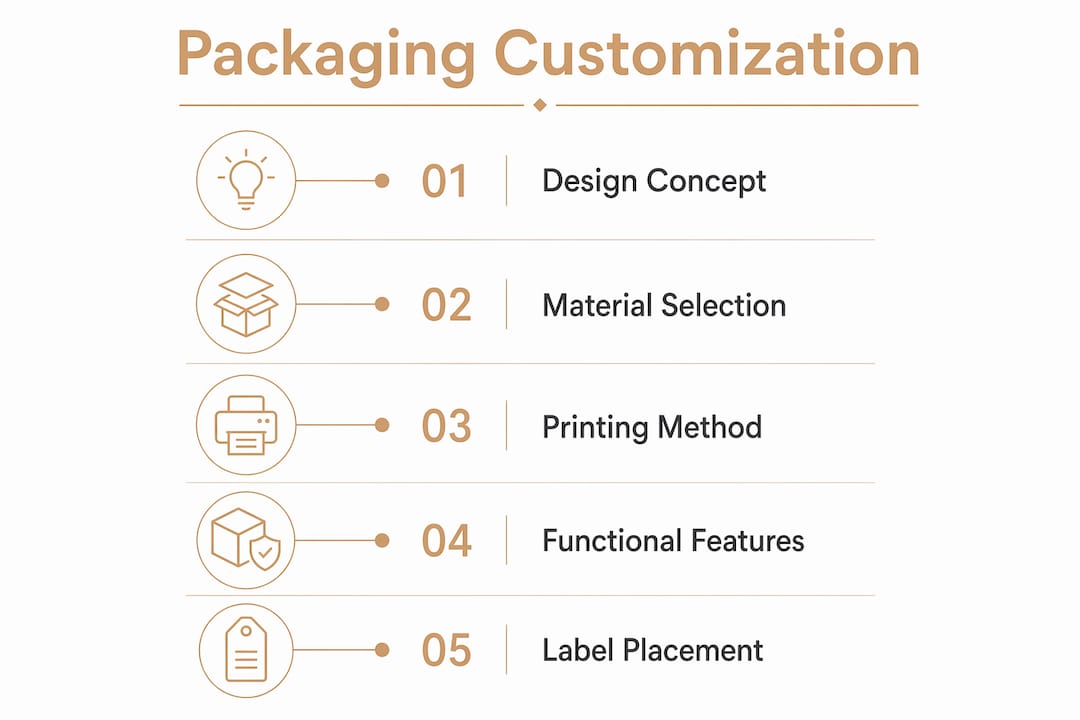
Digital printing works best for short runs, fast turnarounds, and seasonal or limited-edition designs. Coffeebagsdirect offers express digital printing for businesses that need quick turnaround without committing to large volumes. Rotogravure printing delivers sharper color consistency and lower per-unit cost at scale. It is the right choice when you have a locked-in design and order volumes that justify the setup cost.
Beyond print method, the following customization options directly affect both brand perception and customer convenience:
- Resealable zippers: Keep coffee fresh after opening and reduce the chance a customer blames your product for staleness.
- Easy-open tear notches: Improve the unboxing experience, especially for subscription delivery formats.
- Window panels: Let customers see the beans, which builds trust in product quality.
- Matte or gloss finishes: Matte signals premium positioning; gloss works well for high-visibility retail environments.
- Custom valve placement: Position degassing valves to align with your label design without obscuring key brand elements.
- Tin ties: A low-cost reclosure option for paper-based bags, popular in specialty cafe retail.
High-barrier flexible packaging combined with consumer-centric features like reclosable zippers directly improves brand loyalty by improving the user experience. That connection between functional design and repeat purchase is well established in the packaging industry.
Label placement also carries regulatory weight. Aligning label placement and material selection with APR Design® guidelines keeps your packaging compatible with existing recycling infrastructure. If your label material disrupts the recyclability of the pouch, you undermine your sustainability claims at the point of disposal.
Pro Tip: Before finalizing your design, confirm that your label adhesive and material are compatible with your pouch substrate’s recyclability classification. A beautiful label on a recyclable pouch can make the whole package non-recyclable if the adhesive is wrong.
What practical factors matter when ordering coffee packaging?
Ordering coffee packaging involves more than picking a bag style. Production timelines, minimum quantities, and equipment compatibility all affect whether your packaging works in practice.
Wholesale coffee bag orders typically require a minimum order quantity of approximately 1,000 units per size or design, with production timelines generally ranging from 15–20 business days after final artwork approval. Plan your packaging procurement at least six weeks ahead of a product launch to absorb any artwork revision cycles.
Here is a practical procurement sequence for coffee businesses:
- Define your product specs first. Know your fill weight, grind type (whole bean vs. ground), and target shelf life before selecting a bag format.
- Select your material and barrier level. Match barrier performance to shelf life requirements and your sustainability commitments.
- Confirm equipment compatibility. Check that your chosen bag format works with your filling and sealing equipment. Flat-bottom bags, stand-up pouches, and side-gusset bags each require different handling.
- Choose pre-applied degassing valves. Pre-applied valves reduce production complexity by eliminating the need for secondary valve application machinery on your packaging line.
- Submit artwork and request a physical sample. Never approve a design from a screen proof alone. Colors and finishes read differently on film.
- Plan for palletization and storage. Confirm that your bag dimensions stack efficiently and that your storage environment stays within humidity and temperature limits.
Virgin materials and proper discharge configurations prevent contamination and maintain bean integrity during supply chain processes. For bulk green bean storage specifically, liners inside bulk bags must maintain proper airflow to avoid moisture buildup and spoilage.
Why does sustainable coffee packaging matter in 2026?
Sustainable packaging is no longer a marketing differentiator. It is a baseline expectation from retail buyers, foodservice clients, and end consumers across Australia. The challenge is that the most common coffee packaging format, the multilayer laminate pouch, is also the hardest to recycle.
The shift toward recyclable mono-materials and compostable films addresses this directly. Both formats now meet high-barrier requirements for oxygen and moisture protection, which removes the performance excuse for staying with traditional laminates. The practical path forward for most Australian coffee businesses involves three decisions: choosing a recyclable or compostable substrate, aligning label design with APR Design® guidelines, and communicating disposal instructions clearly on-pack.
Extended Producer Responsibility regulations are expanding in Australia. Businesses that wait to address packaging sustainability will face compliance costs and reputational pressure simultaneously. Acting now means you control the transition on your own timeline.
Best practices for sustainable coffee packaging in 2026:
- Select PE/PE or PP/PP mono-material pouches for retail formats where recyclability matters to your customer base.
- Use certified compostable films for single-serve or short shelf-life formats.
- Follow APR Design® guidelines for label placement and adhesive selection to protect recyclability.
- Print disposal instructions on every bag. Customers cannot recycle correctly without clear guidance.
- Work with suppliers who hold recognized sustainability certifications, such as those aligned with the Australian Packaging Covenant Organisation (APCO).
Coffeebagsdirect partners with APCO and offers compostable and recyclable packaging options that meet current Australian standards. That partnership means the sustainable packaging options available through Coffeebagsdirect are vetted against real regulatory benchmarks, not just marketing claims.
Key Takeaways
Sustainable, well-specified coffee service packaging protects product quality, supports brand identity, and meets the regulatory and consumer expectations that define the Australian market in 2026.
| Point | Details |
|---|---|
| Material selection drives outcomes | Match barrier level and recyclability to your product’s shelf life and sustainability goals. |
| Degassing valves are non-negotiable | Fresh-roasted whole-bean coffee requires a one-way valve to release CO2 and block oxygen. |
| Customization builds loyalty | Features like resealable zippers and quality print finishes directly improve repeat purchase rates. |
| Plan procurement early | Allow at least six weeks from artwork approval to delivery, given 15–20 business day production timelines. |
| Sustainability is now a baseline | Recyclable mono-materials and APR Design® compliance are the standard, not the exception, in 2026. |
What I’ve learned about packaging as reputation insurance
Poor packaging causes moisture issues, spoilage, and damaged business relationships. That line captures something most packaging conversations miss. Businesses focus on cost per unit and print quality. They underestimate what happens when a bag fails in transit or on the shelf.
I have seen roasters lose wholesale accounts not because their coffee was bad, but because their packaging let moisture in during a humid Australian summer. The buyer did not call to discuss barrier specifications. They just stopped ordering. That is the real cost of under-specified packaging.
The other mistake I see regularly is treating sustainability as a branding exercise rather than a material science decision. Putting “eco-friendly” on a multilayer laminate bag does not make it recyclable. Customers and retail buyers are increasingly able to tell the difference. The businesses that get this right choose their substrate first, then build their brand story around it.
Balancing cost, sustainability, and customization is genuinely hard. Mono-material pouches cost more per unit than traditional laminates at low volumes. Compostable films require certified disposal infrastructure that not every Australian postcode has access to. These are real constraints, not excuses. The answer is to start with the format that fits your current volume and supply chain, then upgrade as your business scales.
The coffee businesses I respect most treat packaging as part of their quality system, not their marketing budget. That shift in thinking changes every decision that follows.
— Coffee
Coffeebagsdirect: packaging built for Australian coffee businesses
Australian roasters and cafes need packaging that performs from roast to cup, meets local sustainability standards, and carries their brand with confidence. Coffeebagsdirect delivers exactly that.
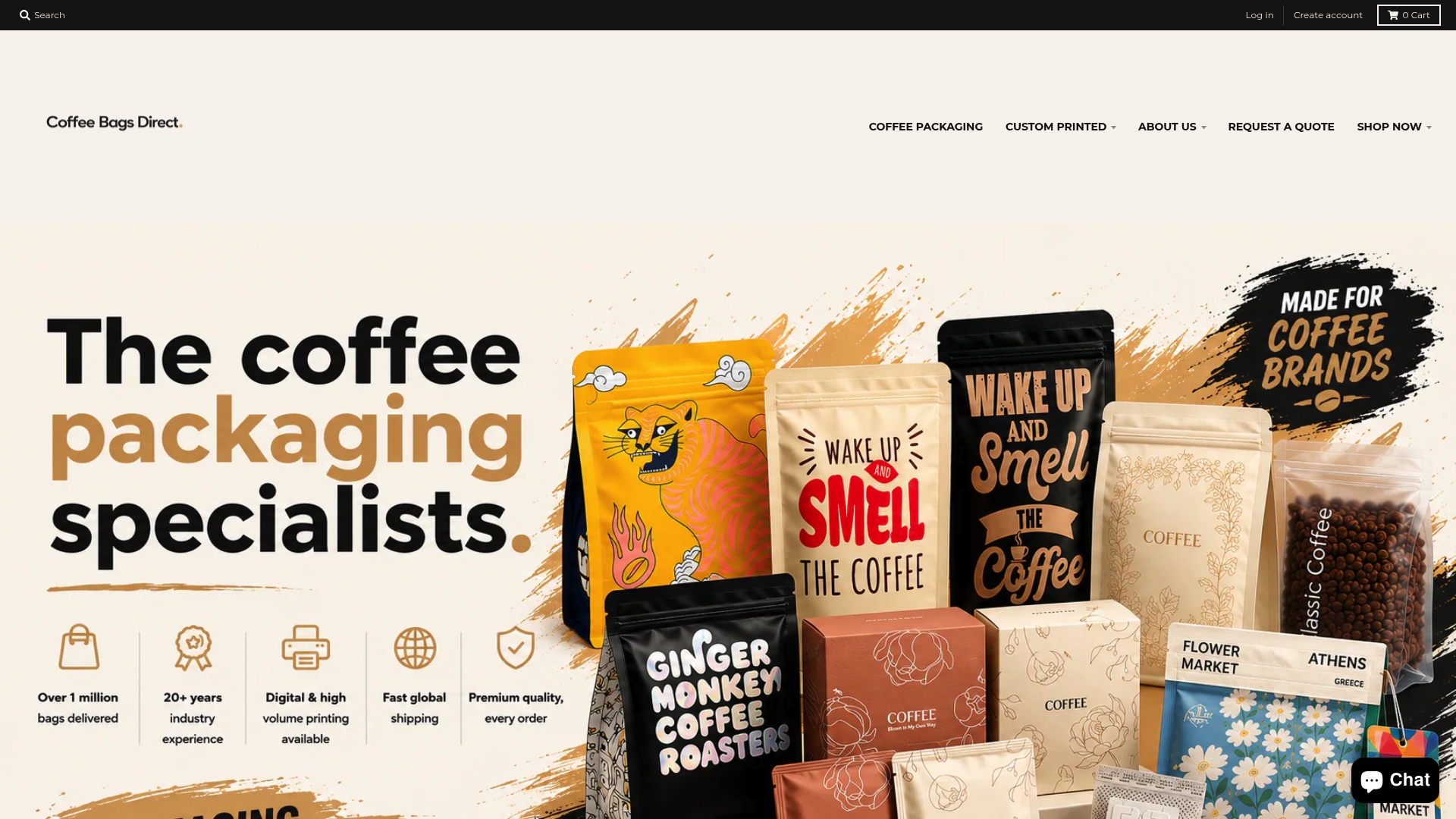
Coffeebagsdirect offers a full range of premium coffee packaging including compostable, recyclable, and high-barrier options designed for the Australian market. Express digital printing means you can get custom bags without committing to large minimum orders. Every product is backed by Coffeebagsdirect’s partnership with APCO, so your packaging choices align with real regulatory standards. Whether you need custom printed bags for a new product launch or bulk plain bags for everyday roasting, Coffeebagsdirect has the format, material, and print option to match your operation.
FAQ
What is coffee service packaging?
Coffee service packaging is the system of bags, pouches, and containers used by coffee businesses to preserve freshness, protect quality, and present their brand. It includes material selection, barrier features like degassing valves, and design elements like custom printing.
What materials are best for eco-friendly coffee packaging?
Recyclable mono-material pouches using PE/PE or PP/PP laminates and certified compostable films are the leading eco-friendly options. Both now meet high-barrier requirements for oxygen and moisture protection.
Why do coffee bags need a degassing valve?
Fresh-roasted coffee releases CO2 for days after roasting. A one-way degassing valve lets that gas escape without allowing oxygen in, which preserves freshness and prevents bag inflation or seal failure.
How many bags do I need to order to get custom printing?
Wholesale custom coffee bag orders typically require a minimum order quantity of approximately 1,000 units per size or design, with production timelines of 15–20 business days after artwork approval.
How do I choose the right coffee bag for my business?
Start with your product’s fill weight, shelf life, and equipment compatibility, then match your material choice to your barrier and sustainability requirements. Coffeebagsdirect’s guide for roasters walks through each decision point in detail.
Recommended
- Innovative Designs in Coffee Packaging Bags | Industry Trends – Coffee Bags Direct
- Premium Coffee Packaging & Custom Coffee Bags AU – Coffee Bags Direct
- The Evolution of Coffee Bag Design | A Packaging Timeline – Coffee Bags Direct
- Custom Printed Coffee Bags | Digital & Rotogravure Printing AU – Coffee Bags Direct