
Best Sample Bags Suppliers in Australia: 2026 Guide

Top Australian sample bags suppliers and what they offer
Australia’s professional sampling market has a clear set of go-to suppliers, each covering a distinct niche from polyethylene field bags to paper sacks and eco-friendly alternatives. The seven suppliers below represent the strongest options available in 2026 for geological, soil, mineral, and laboratory applications.
| Supplier | Specialization | Location | Material Options | Rating |
|---|---|---|---|---|
| Hipac Packaging Solutions | Wholesale packaging, custom shipping supplies | Queanbeyan, NSW | Poly, custom printed | 4.6★ (33 reviews) |
| Bulk Bags Australia (Melbourne) | Bulk sample bags, local support | Ravenhall, VIC | Bulk poly bags | 5★ (17 reviews) |
| Bulk Bags Australia (Sydney) | Bulk packaging, sample storage | Ingleburn, NSW | Bulk poly bags | 5★ (17 reviews) |
| Babson Enviro Products | Reusable eco bags | Box Hill North, VIC | Jute, hessian | 4.7★ (12 reviews) |
| Cello Bags Australia | High-variety poly-prop and biodegradable bags | Bayswater North, VIC | Poly-prop, BOPP, compostable | 4.7★ (11 reviews) |
| Fasa Plastics | Custom plastic bag manufacturing | Braeside, VIC | Extruded plastic, custom | 5★ (4 reviews) |
| Australian Multiwall Bag Co PTY LTD | Paper sacks, bulk packaging | Dandenong South, VIC | Paper, multiwall sacks | 5★ (4 reviews) |
Pricing varies considerably across this group. Cello Bags Australia publishes per-product pricing from AUD $15 to $275, making it one of the few suppliers with transparent public rates. Most others quote on request, particularly for bulk or custom orders.
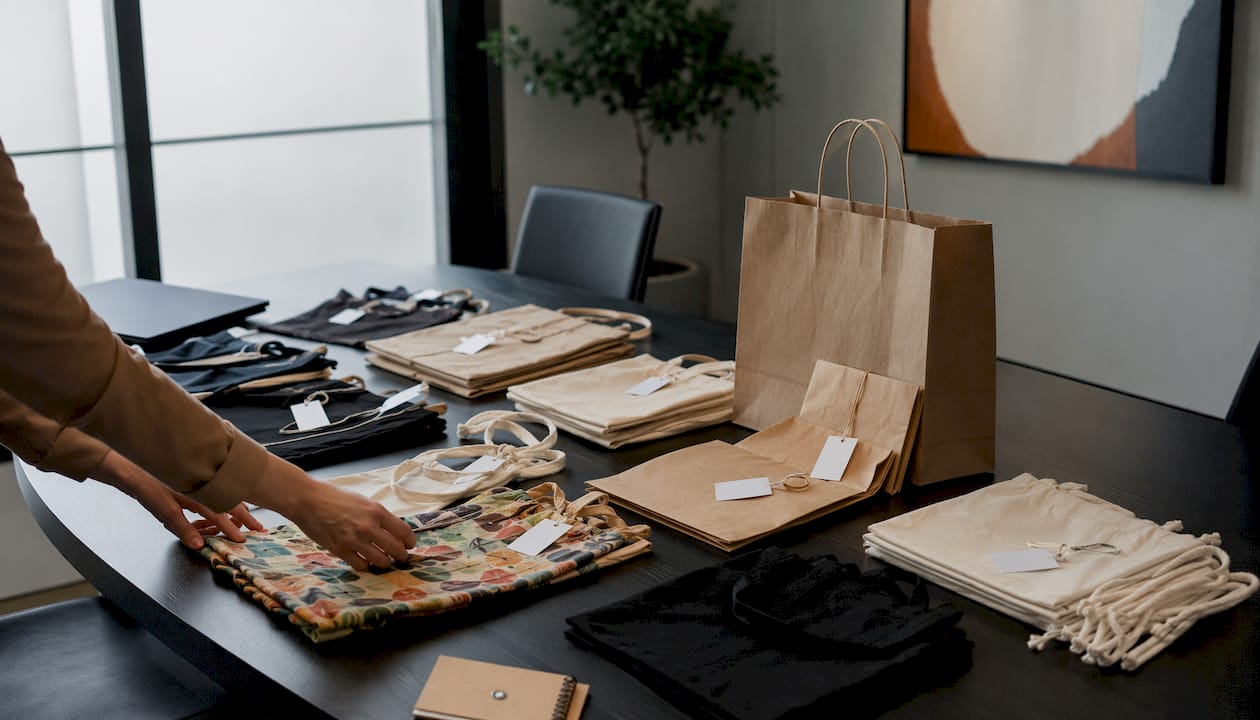
Compliance matters in professional sampling. Sterilized polyethylene bags meeting EPA, FDA, and HACCP standards are the benchmark for laboratory and environmental work. Not every Australian supplier explicitly certifies to these standards, so confirming compliance directly with your supplier before ordering is worth the extra step.
How do Australian sample bag suppliers compare?
Choosing between these suppliers comes down to what your application actually demands. Here is a closer look at where each one stands out.
Hipac Packaging Solutions covers the broadest general packaging scope of any NSW supplier on this list. Their offer includes wholesale packaging, warehouse consumables, and custom shipping boxes with logo printing. For operations that need both sample bags and ancillary consumables from a single source, Hipac is a practical fit.
Bulk Bags Australia operates two physical stores, one in Ravenhall (Melbourne) and one in Ingleburn (Sydney), giving Victorian and NSW buyers genuine local access. Both locations specialize in bulk packaging, which suits operations running high-volume field sampling programs.
Babson Enviro Products takes a different angle entirely. Located in Box Hill North, VIC, they focus on reusable jute and hessian bags rather than disposable poly options. For environmental monitoring programs with sustainability reporting requirements, that distinction matters.
Cello Bags Australia offers the widest product variety on this list, with over 1,000 bag sizes spanning poly-prop, BOPP, cellophane, biodegradable, and compostable formats. Australia-wide shipping and transparent pricing make them accessible to buyers outside Victoria.
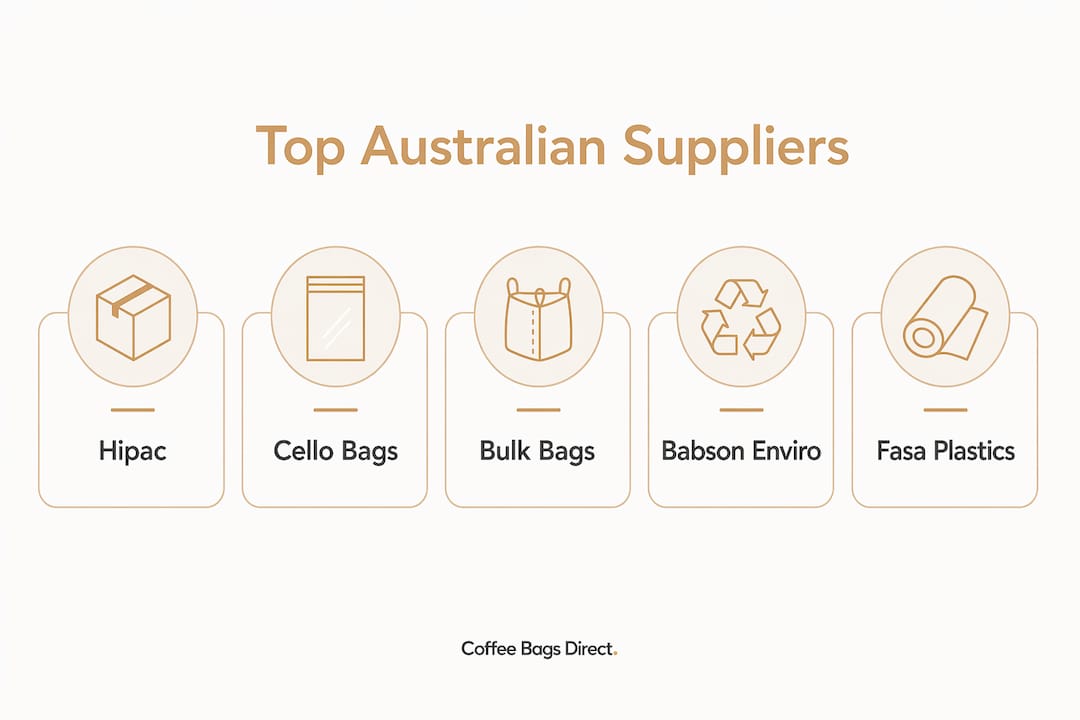
Fasa Plastics manufactures plastic bags in-house at their Braeside facility, which means tighter quality control and the ability to produce custom specifications that off-the-shelf suppliers cannot match. Best suited to buyers with non-standard size or thickness requirements.
Australian Multiwall Bag Co PTY LTD brings decades of manufacturing experience to paper sacks specifically. Their range covers pasted end valve sacks, open mouth sewn end sacks, and gusseted pinch top sacks. For bulk mineral or soil sample collection where paper is preferred over plastic, they are the most specialized option in Australia.
Bulk Bags Australia (Melbourne, VIC) and Bulk Bags Australia (Sydney, NSW) share the same parent brand and product catalog, so the choice between them is purely logistical: pick the store closest to your operation.
How to choose the right sample bags for your needs
The right sample bag depends on three things: what you are collecting, how it will be transported, and what compliance standard applies to your work.
Key selection criteria:
- Sample type: Liquids and semi-solids require leak-proof closures and thicker film. Solids like soil or mineral cores are less demanding on film integrity but benefit from puncture resistance.
- Material: Polyethylene is the default for most lab and field work. Paper sacks suit dry bulk minerals. Jute or hessian works for reusable programs with lower contamination risk.
- Capacity: Standard sterilized bags range from 59 mL to 2,041 mL, covering most field and lab scenarios.
- Closure mechanism: Round-wire tabs folded three times create a leak-proof seal critical for maintaining sample integrity during transport and storage.
- Compliance: Confirm whether your application requires EPA, FDA, or HACCP certification. Not all Australian suppliers stock certified bags as standard.
- Lead time: Ask suppliers directly about stock availability and turnaround for custom orders, especially for non-standard sizes.
Questions worth asking your supplier:
- Do your bags meet EPA, FDA, or HACCP standards for my specific application?
- What film thickness options are available, and what is the minimum order quantity?
- Can you provide sterilization documentation for each batch?
Pro Tip: Order physical sample kits before committing to a bulk run. Testing material stiffness, zipper function, and closure integrity in hand eliminates most approval-round delays and prevents costly production errors.
Shipping conditions also affect bag selection. If samples will travel long distances or through variable temperatures, prioritize bags rated for a wide temperature range and with documented seal integrity.
What types of sample bags are used in professional applications?
Professional sampling in geology, mining, environmental science, and laboratory work relies on a handful of bag types, each suited to specific conditions.
- Standard sterilized polyethylene bags: The workhorse of lab and environmental sampling. Available in capacities from 59 mL to 2,041 mL with film thickness from 2.25 to 4 mil. Compliant with EPA, FDA, HACCP, and USDA standards. Not autoclave, but gas-sterilized with documentation available.
- Calico bags: Breathable cotton fabric bags used in geological and mineral sampling where moisture management matters. Reusable and durable for field conditions.
- Biodegradable and compostable bags: Growing in use for environmental monitoring programs with sustainability mandates. Cello Bags Australia stocks compostable formats with Australia-wide shipping.
- Paper sacks: Preferred for dry bulk minerals and soil samples in large volumes. Australian Multiwall Bag Co PTY LTD manufactures pasted end, sewn end, and gusseted pinch top variants specifically for this application.
- Specialized geochem bags: Designed for geochemical sampling with features like write-on panels, UV resistance, and puncture-resistant film for rough field handling.
Closure type is not a minor detail. Round-wire tabs folded three times create a leak-proof seal that prevents cross-contamination during field handling and transit. For liquid samples especially, this closure method is the standard.
Disposal and environmental impact are worth factoring in from the start. Single-use polyethylene bags generate plastic waste at scale. Biodegradable and compostable alternatives from suppliers like Cello Bags Australia or Babson Enviro Products reduce that footprint without sacrificing containment performance for most solid sample types.
Eco-friendly packaging alternatives worth considering
If your operation is moving toward greener procurement, compostable and recyclable flexible packaging options are more practical than they were even two years ago.
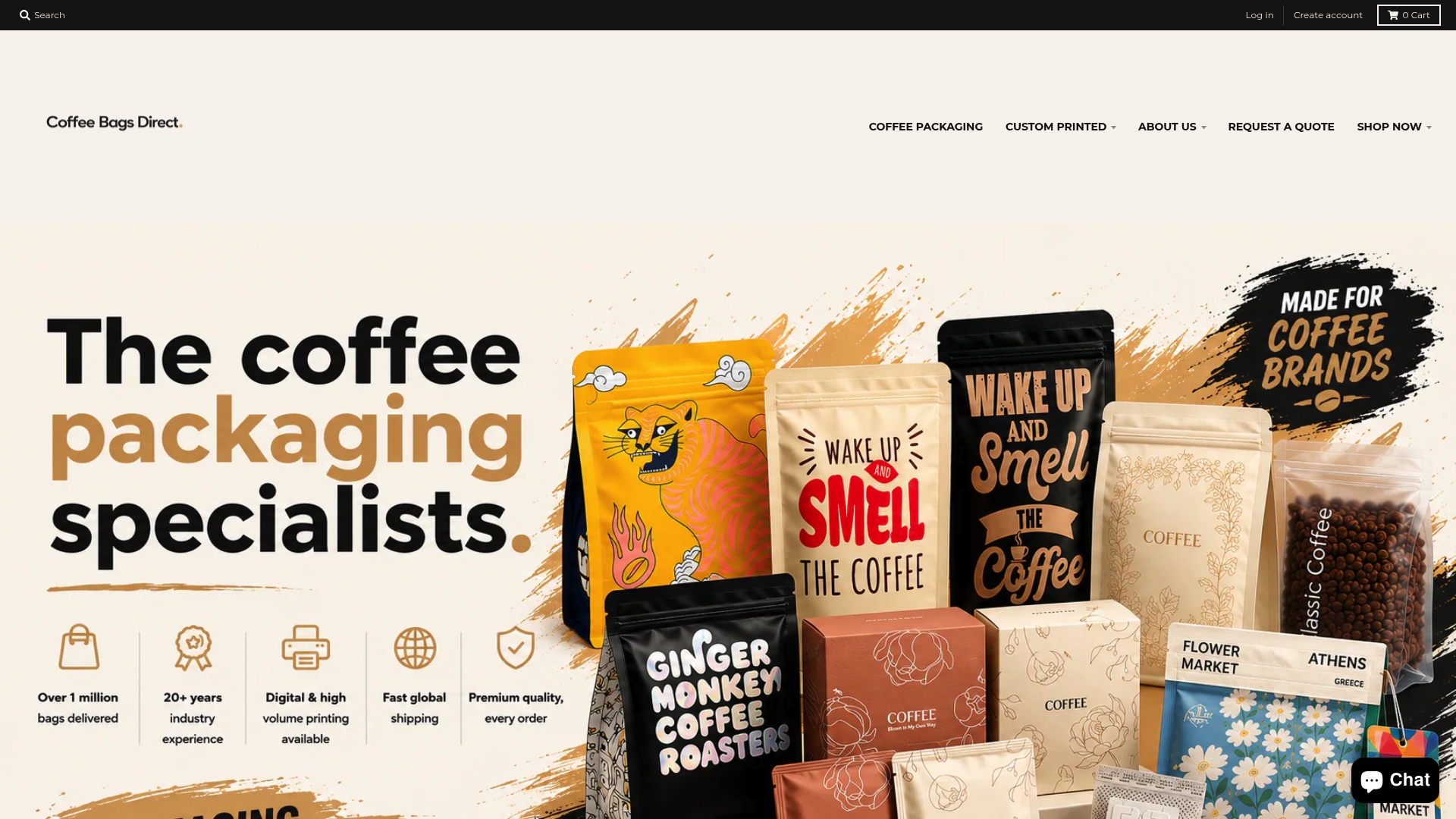
Coffeebagsdirect is a different kind of supplier from the industrial bag manufacturers above. Their focus is eco-friendly flexible packaging, including compostable and recyclable formats, with express digital printing and custom artwork for brands that need both performance and presentation. As a partner of the Australian Packaging Covenant Organisation (APCO), they operate within a verified sustainability framework. For food-adjacent sampling applications, coffee roasters, or any business that needs custom printed pouches with a fast turnaround, Coffeebagsdirect offers a genuinely different route from the bulk industrial suppliers in this guide. Browse their custom packaging options to see what fits your program.
Key Takeaways
Australian sample bag suppliers cover distinct specializations, and matching the right supplier to your application saves time, cost, and compliance risk.
| Point | Details |
|---|---|
| Match supplier to application | Paper sacks suit dry bulk minerals; sterilized poly bags suit lab and liquid sampling. |
| Confirm compliance standards | EPA, FDA, and HACCP certification must be verified directly with your supplier before ordering. |
| Test before bulk ordering | Ordering physical sample kits early reduces approval rounds and prevents costly production errors. |
| Capacity and closure matter | Standard sterilized bags range over a broad range of milliliter capacities; round-wire tabs folded three times create a leak-proof seal. |
| Coffeebagsdirect for eco-flexible needs | For compostable, custom-printed flexible packaging with APCO credentials, Coffeebagsdirect is the specialist alternative. |